--> https://titipi.org/wiki/index.php/Hay_un_elefante_en_la_habitaci%C3%B3n,_episodio_3
Queride organizadore, trabajadore en una institución pública, tutore, estudiante, activista,
Sabemos que estás harte. Nosotres también lo estamos. Por eso
hemos decidido escribirte esta carta: porque nos enfrentamos a otro
comienzo de curso en septiembre y estamos aún atascades con las
infraestructuras digitales cotidianas proveídas por compañías como
Google, Microsoft, Amazon, OpenAI y HP que están, como sabemos,
implicadas en la militarización y el genocidio. Otro año de reuniones
vía zoom, citas en Google calendar o archivos de sharepoint que están al
parecer enchufados directamente a nuestros espacios de trabajo,
pizarras o teléfonos. Evidentemente hay un elefante en la habitación.
Este es un llamado a colaborar para echar definitivamente al
elefante de las habitaciones donde nos reunimos, nuestros espacios
colectivos y nuestras aulas. Es el momento de liberar a nuestras
organizaciones y arrancar todos los apoyos al complejo industrial
militar de producción de conocimiento. Esto incluye acabar con el
régimen institucional de contratos que son cómplices con las fuerzas
genocidas.
Nuestra primera carta se escribió en 2019[1].
Está enfocada en la responsabilidad institucional para atender las
infraestructuras digitales saliendo de plataformas comerciales. En aquel
momento queríamos compartir un malestar acerca de los riesgos de usar
tecnologías guiadas más por la extracción capitalista que por la
convivialidad, la complejidad y la sostenibilidad de la vida colectiva.
Luego escribimos de nuevo, en medio de la pandemia de COVID en 2020[2],
para convocar a la solidaridad digital en un momento en que la
necesidad urgente de estar en contacto remotamente forzó a muches de
nosotres a utilizar herramientas y plataformas extractivas. Los
contratos de emergencia que por entonces firmaron nuestras instituciones
ahora se han expandido en un exponencialmente y en muchos casos se han
convertido en las únicas opciones disponibles, a medida que la lista de
"soluciones" basadas en plataformas se extiende constantemente.
La presencia invasiva de estas infraestructuras elefánticas se
intensifica en tiempos de austeridad y desfinanciación continuada. Estas
compañías imponen su lógica, que obedece y contribuye al genocidio, en
su propio interés. Esto limita de forma engañosa las posibilidades para
la organización colectiva, el florecimiento cultural y los aprendizajes,
reduciendo el pensamiento crítico y borrando el abanico de posibles
modos para relacionarnos con el conocimiento.
Grandes inversiones están teniendo lugar para convencernos de que
estas herramientas y su mundo son inevitables y el elefante en la
habitación nos hace creer que depende de nosotres, usuaries, aplicarlas
para "bien" o para "mal". Incluso se nos seduce con la idea de que nos
podrían convertir en mejores docentes, estudiantes, compañeres, colegas,
camaradas, creatives, investigadores y amigues. Lo "mejor" aquí viene
medido a través de ideas capitalistas de ejecución y productividad más
que por ejemplo de agencia política colectiva. este imperativo hacia las
herramientas enfocadas a la eficiencia incrementa la presión sobre
condiciones laborales ya muy precarizadas. Ahora se nos ofrecen
soluciones digitales para seguir enfocades y productives mientras las
atrocidades siguen mostrándose en nuestras pantallas.
Hoy escribimos mientras las tecnologías que facilitan el
genocidio se pueden ver a plena luz y en total desatención a la
normativa internacional. Mientras su dependencia en expropiación de la
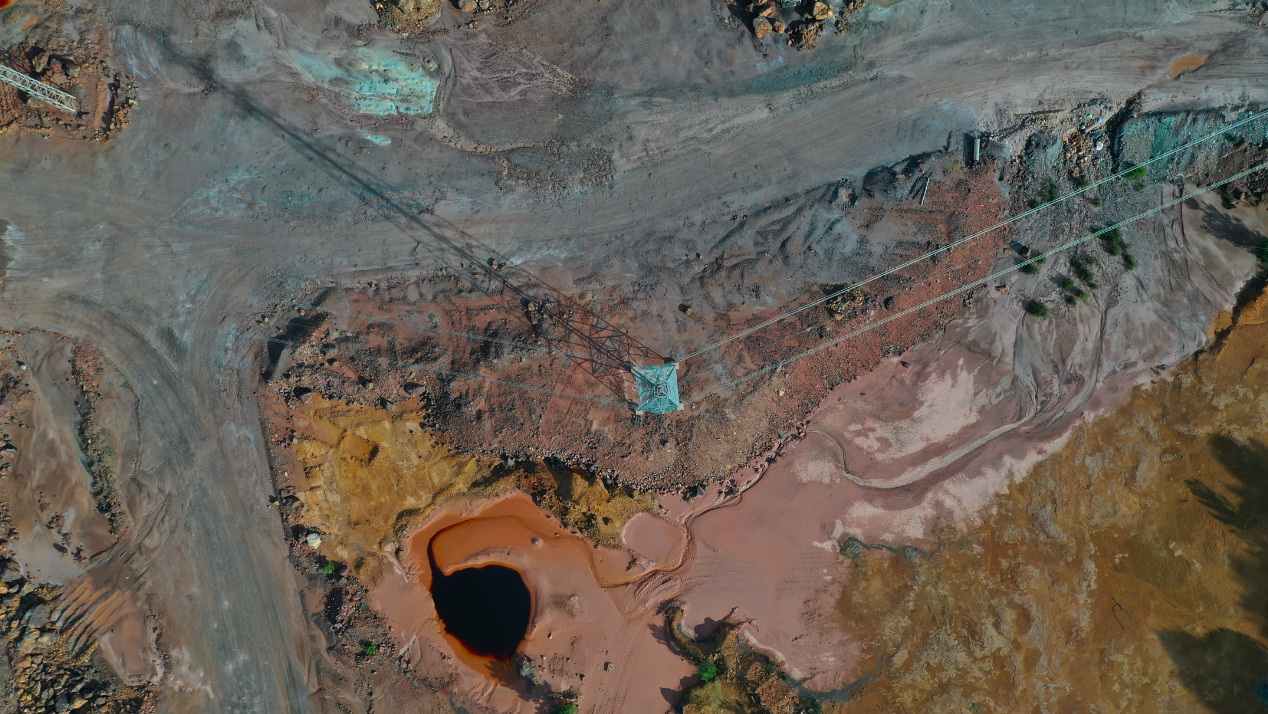
tierra, minería profunda, trabajo precario y el tragado de agua es
innegable. Rechazamos mirar hacia el otro lado de la aceleración y el
arrasamiento del planeta y el modo en que todas las formas de vida están
puestas en riesgo a tantos niveles diferentes. De facilitadores de
genocidio hasta saqueadores de la tierra y desmontadores de
conocimientos, sencillamente no podemos aceptar el argumento de que
estas tecnologías son una necesidad.
Esta carta es un recordatorio para nosotres mismes, organizadores
experienciades, gente que sabe cómo aprender y enseñar juntes, para
encontrar modos de sostener la complejidad, encontrando procesos para el
trabajo en colectivo. Estas tecnologías no nos son de ayuda, están
estorbando estas capacidades específicas que hemos cultivado juntes
durante generaciones de trabajo crítico.
No somos ingenues, sabemos que no sucederá de un día para otro y
que las dependencias son difíciles de deshacer porque operan a través de
las realidades más cotidianas, individuales e institucionales. El
boicot solo funciona hasta cierto punto y las estrategias serán sinuosas
y de lenta implementación: la desinversión no es un camino ni lineal ni
exento de fricción. Pero como muches de nosotres hemos entendido, el
elefante en la habitación no está ahí para nosotres; es momento de
encontrar formas de acción que puedan funcionar a la escala de nuestros
grupos de afinidad, colectivos e instituciones. Puede ser tan sencillo
como reemplazar una herramienta cada vez, establecer vínculos y
solidaridades con organizaciones afines para compartir recursos y
saberes, partiendo de valores comunes para tomar decisiones acerca del
software y hacer esas decisiones más legibles también para personas no
expertas.
Necesitamos salir de aquí juntes. Hay muchas formas de acción que
pueden tomarse a distintas escalas y velocidades. Compartámoslas.
Con amor y rabia,
The Infra-structure resistance group[3]
Septiembre 2025

Sacar al elefante de la habitación
Cosas que podéis hacer y que ya están pasando. Más ejemplos y trasfondo aquí: https://vvvvvvaria.org/~systers/infraresistance.pdf
- Recordad a vuestros contactos de email la complicidad de Microsoft con una respuesta automática. Ejemplo: "Estoy trabajando pero no estaré disponible en Outlook.
Puedes contactarme en mi otro email que no está implicado en la
re-militarización y el genocidio"
- Solicitad a vuestres compañeres o estudiantes que cambien el
chat para organizar la próxima tutoría, evento o encuentro de Microsoft
teams a un servicio no-cómplice.
- Redirigid a la gente de share-point reemplazando los documentos o
archivos de tu curso por un emlace o iframe a un espacio de nube
no-cómplice
- Organizaos en contra de la construcción de un centro de dato en
vuestra ciudad; oponeos a la minería extractiva, cerca o lejos; uníos a
un colectivo que esté ya en activo
- Desvinculaos de Instagram y/u organizaos para convencer a vuestra institución de que también lo haga
- Uníos a campañas para luchar contra la vigilancia policial
- Sumaos al movimiento BDS y a sus boicots a Microsoft, HP y otras tecnologías cómplices
- Organizad con compañeres conversaciones sobre el impacto del Big Tech en vuestros trabajos y cómo resistirlo
- Decidid con vuestros estudiantes no usar AI en el aula, y discutid por qué
- Pedid en vuestro colectivo o institucion la instalación de plataformas Open Source, y hacedlas también accesibles para otres
- Formad un grupo de interés en vuestra institución para investigar decisiones y contratos del departamento de informática
- Rechazar la normalización del siempre-online
- Solicitad a vuestra institución la revisión de su contrato con Google, Microsoft, OpenAI
- Organizaos en colectivo fuera de grupos de Whatsapp. Pasaos offline o usad otras herramientas
- Reducid vuestros pedidos a Amazon, poco a poco
- Rechazad colectivamente le edición de textos en Google docs
- Organizad una huelga contra el despojo digital
- Usad etherpad para la escritura colectiva, LibreOffice para la
edición de documentos, Jitsi o BigBlueButton para videollamadas, Signal o
Zulip y Elements para chats cuando os sea posible
- Escribid una carta a la dirección/coordinación de vuestra organización
- Compartid vuestras acciones e intervenciones ¡No estamos soles!
Esta sesión cultural florecerá sin Meta
La tecnología cómplice fuera de nuestras asambleas semanales
Echemos a Google fuera
2025: el último año académico que arrancó en Teams
Anti-racismo = Anti-capitalismo = Anti-nube
Desinvierte, desinstala
Las cartas del elefante en la habitación 1 y 2 se escribieron en el contexto de Constant.
Esta tercera carta surgió de un encuentro de infra-resistance, en el
que Constant ha estado activamente presente. La red de redes de
infra-resistance es un encuentro informal de activistas, artistas,
diseñadores y organizadores trabajando en y con infraestructuras
digitales. Nos juntamos la final de 2023 para entender juntes qué
prácticas tecnológicas pueden ser relevantes en el contexto de violencia
genocida en Palestina y en solidaridad con las luchas anti-coloniales.
Es un intento constante de pensar y activar la relación entre
infraestructuras computacionales y todas las formas de opresión. There is an elephant in the room, Constant (2019) https://constantvzw.org/wefts/elephant.en.html
Dear student, teacher, worker in an educational institution, Constant (2020) https://constantvzw.org/wefts/distant-elephant.en.html







![[proyecto] Altas latencias](https://blogger.googleusercontent.com/img/a/AVvXsEiBpD8AFlYRdLzeJ2Hsn_CW_e5gS2aqI95InyU5RVD32AgQq1pu7RkVfqaIVCx8HGOvz6-KsASWhMiTRiAOeMFuq_5CdJ4oBpbugFCz27q4naB5GwKSI6367EAzmdV7gwMJ3bsY49giAjtGaszVwN6XK8Jt9TGRgsuh4UAGYJiG6-BT5M8TUcuqDBvoOME=s220)
![[txt] A breeding ground for uncertainties](https://blogger.googleusercontent.com/img/a/AVvXsEj8Ul_82KszibGV8b6jg9LFyWXEGE4qp6ecSy5BMMylXRoJD3M9p69kVu-AzxnSX2giXA1KXDQK0N-9PgDXC3iiwOb8gbekKC9_uczQKXOnaWH8az3En1ZSVefP22hPQWRvsUBccZEqf9CI15VXUsq8xboFMelx4l9oFikZJpvUX3xTe4mnAAeXwpDzIg0=s330)
![[Bugreport] to Frontier Climate](https://post.lurk.org/system/media_attachments/files/111/901/018/803/503/560/original/1075209e931cabe8.png)
![[zine] Ancho](https://blogger.googleusercontent.com/img/a/AVvXsEgxhMNpFpNTQs8-WPjqQ4xMJ3_BZJbszhAfiHl63dmkzEof-nuHBGdzLZzpneNz9vTWNnw4k1RBBRlY8Lku7gu3bPCmoB58oyB8p0m85z8G4vsPwQWrNDmDhPrcLyvW0SP8AVn6WTAkKi6967tUChbVAl73hP9Umq097rixVNbci22Ua_iZFxOiunVkTjE=s312)
![[radio] naturoculturas son disturbios](https://blogger.googleusercontent.com/img/b/R29vZ2xl/AVvXsEh1vf5WGEHGsX7aYwBLxMSY5_yPI3DzKWwCdqAOOIDKz0yFkISa81hx2ljEMCPPb6bRtYCCtoOb89SdCQET4P_BJoQeYy5990dZ2FmiqJL_Sb_ROngQphHGA9wnu3rIZyUkI7LPLNDqRXE/s220/tapiz.jpg)
![[Journal] La composición activa de la presencia](https://blogger.googleusercontent.com/img/a/AVvXsEgWJBnXgfCm300uKPAr-n4sEqPCBHxy2Hxheu2bFuYCl0IgeJCmJ_7U6SwP01cDamYTfgGpbMtgeSS6KtRm5j85_bclhQ4wn7f8DfSKu7C3_AM87wNHhELUwQ_VXIemDotxFy_h2kiZuqa1h2vLKHeMUALEg63BeR_dbpHh4Y7DEfZgKekOA0eCxPT_lJk=s320)
![[fellowship] LaaS (Life as a Service)](https://blogger.googleusercontent.com/img/a/AVvXsEijogwX9jgADqQ9A00tu8fCFaF8ARU8Sq0EXI0Z_PBE8M-SVpgMWAUiHJjw4-QwLjz-KCQlOgyvJNwpvBLe41Gr7xN0xlWzvyrGxZg9mUIH9-q3xEF51MSk6UnyUkD--ZptqoMcp7XSlgD8wV5MVeUaN8o7X34SnScuLZ4C76XyW6U8JDneHWrSw8vZ=s220)


![[associate membership] TITiPI](https://blogger.googleusercontent.com/img/a/AVvXsEjcMlj6-I_3r2L84w6kGyECKoYCgG_clIbPgkJU643pGFonPn9P-UV_qnNI3V-pjgEVFigNgse4IABpsD7WRie8evGe1jdLZOV92rg_McRtrbSIJOTVzyUW5Xx4ITTYM3JL-d90tF-XGKpKscmUYcnrts654lnj1hVbrHZUBvKA8X5pZPXL6DIoILz9=s341)
![[escuela] Elefantes en la habitación](https://blogger.googleusercontent.com/img/a/AVvXsEgg8WMXXVVHA5uHIAlHGUstKTSRhzQEhEORdROKz8QBgLMPCtYxyNIyCnuFkFwDAoixgS1XMLDeGEtm5P0cXW3AUi6AB179S0Ei6BueXW8NXbREYnik1VICivjPvl7G2Ti597fcw2OQ38cWzV0BpfG3MijQiSAzCdVmj67HS4VIiCsQV5dLgdOubMvIGiM=s220)
![[book] Volumetric regimes: material cultures of quantified presence](https://blogger.googleusercontent.com/img/a/AVvXsEgmU-TcPBoSAK-bYjc2IS1c3j6YaoY0bAmoWeJphwdAVgJ1vRcZP_dg5Ki_GWBYPakurYUpM6XIlUGJKAKALaYhdx-sLtC-KlL3NocFIq5S3RzmuefQP1pCwpUTjJ4it_itZKmY1FLZ-GuvAE1PHWP90G9nxsDRdyPVaoyQxl6s3A0SQEeRxP5fNlcI=s332)
![[manual] Queering Damage. Methodologies for partial reparation... or not.](https://blogger.googleusercontent.com/img/b/R29vZ2xl/AVvXsEj8Q0pcpgV4ta3XRYXd7_TLrE-e8iIRW9gtbF-tRh5pKQClpqaw6qbr0dUadU7sASJ9ElOlYJwy4mPROA46dn7bGeTFwAb09LCR2yMuQOkeJUCeRUrAGKai3pPb9x7nvSaISuDx8FZlppg/s1600/QD.png)

![[project] the underground division, with Helen Pritchard & Femke Snelting](https://blogger.googleusercontent.com/img/b/R29vZ2xl/AVvXsEiP7ySE_-Ag-61vgRhsOgPJOVlvsnsupcriKB9x-nxLA_XjAYdkeYSOajqqqBnnGI82iX4wCbaDfnYfAc9lSHl0ny7ES0V1xTeJl3zW0sfLto6Ardt6AiZmYZlqizeDw98sijpGLY_K1p8/s1600/unthoughtinfrastructure.gif)

![[expo] Dorm en l'accident que provoca](https://blogger.googleusercontent.com/img/a/AVvXsEgjj7ASH7edRFh6yretcviCckrs19chm_iyuaa0PyNeRqKj6EWr5C8wRAUQXNsR0rSxSIY0-j_a0z1PfmEjabITfUBWfMwqCNKLo9Fvb65P31PtSbEiBBJ_HhiNrs1iVFZsD4LWicCfvZXM20ivsPoG2XfLBZYGBhv7Iavs2VPb0uGV2mYehjf7mzdm=s220)
![[exposición] La Irrupción](https://blogger.googleusercontent.com/img/a/AVvXsEiJnQT68iCPb08I1Bq9Cq8cGWfRLxF_cwD3tqfqovDvh1oy1L-Mj5DVkBsyBEezs9ydH0kVterKMClhihz3EkJgySfauazM8-YsPZRI2qUOQKSWKE8phvjFy5lPNqE5r60m0bbgm4eyMXVA4xktKU5hrJoQ6gBv22a7QRAhFlmFDxYQVATl6orDZ-oK=s311)
![[Fellowship] Spectral Infrastructure | Cell for digital Discomfort](https://www.bakonline.org/wp-content/uploads/2021/07/Spirit-Labour-1-web-2000x1335.jpg)

![[paper] Figurations of Timely Extraction](https://blogger.googleusercontent.com/img/b/R29vZ2xl/AVvXsEheNeBTv2n__LM26gVP5_NJsH4-vssVsRn3CspeiFnoCsUY4RmKBE1dTzYurmx73Nt5hceLv_zcORBxLnGV5AR3tJnb579NJ5194ThAdnH5itHI-e9W79rOLD5_sPpkmjjGb1RT1RVnmN0/s1600/hueco.png)
![[weft] The Relearning Series (with Martino Morandi)](https://constantvzw.org/site/local/cache-vignettes/L650xH614/arton3397-dd459.png?1609926532)

![[text] The Courier Bag Praxis of Friction](https://blogger.googleusercontent.com/img/b/R29vZ2xl/AVvXsEgBtBXr6VHozr_KsHsqSJ7_sMDHSSc0l0pD4wcrZJZzqX6IUeTjQEED64R-hg4QG0lK8RHN6J6j-BtRbsTDwI-R-5OlzwcCDYPHX_q7_yTCbgnJEqPic7LsADeclTIpqgX8SWZpdXdncKs/s1600/amz.png)
![[text] We Have Always Been Geohackers](https://blogger.googleusercontent.com/img/b/R29vZ2xl/AVvXsEg3_-X1JXUAU7D1PqsbnkyLFi1PAvVb4P9ZPszvgZkaI5q5lY4JDDPsjeBScyoev-cxl3DD9ocyeaj4ROLezLzA1RM00Ib3SGeaMUiNvnhsSOtRHVy9pK2WQ4p8gXBbDqEABMiaM6uhjzk/s1600/600px-Image04.png)
![[entrevista con Nerea Ubieto] unos corpus a través de otros](https://blogger.googleusercontent.com/img/b/R29vZ2xl/AVvXsEiUAX_3sRJEwxPRY1X9jmG1DxmZBTqhXRVHN3wcA4h_oO6HNIGt9uroK9oP9ktNm79nbj0z6Kt02SNIBynmRmAbxHJa3bWPttwiF1Iffm8azfPumTmr32-pC8bQJ1cRwFvUm5QRfYjiWrs/s1600/yaaun.hotglue.me.jpeg)
![[book] Iterations](https://blogger.googleusercontent.com/img/b/R29vZ2xl/AVvXsEg6AIPpC3jitHSZRTZUAUrI-C01YGIeyM7C7ZPDO0HQhUx0nqTOyVUdpOOJBVh66ZwBJk-Z_NLtlDZtIhB5zyj7lzi1psorzemK2pJKiRk75Z8_8K60nJcdJEz1nmUZqmTm-BId_XYjINo/s1600/iterations_img.png)
![[text] Depths and Densities: a bugged report](https://blogger.googleusercontent.com/img/b/R29vZ2xl/AVvXsEj2kAiZhHGbiApkAnVW086MP8Auew-PJjqA5m1dP0C0PQTv99laH46OO1-5K5YOzYQIYBpgG4SsC8ibvqLz2fkIBoUPi3_dL6dfOir_DosCim4oY2Tq9877vFU-6SSWLfps0rLs_v3wBCM/s1600/2.gif)
![[expo] ROCK REPO](https://blogger.googleusercontent.com/img/b/R29vZ2xl/AVvXsEjMCpx4QnmsTfWUtRNlzUOhGnEWqZozBYCPkzKG3cs29OniGUqAzXFMDp4EggGvEM1B3xDC-Kf9QFHKe2EqKL6QGLhttL6FzalmkJYo8f9_aKdnmiUf61_QMaoa7F228d5farlhzSeV1Ok/s1600/ROCKREPO.png)
![[ciclo] unsupervised imaginations](https://blogger.googleusercontent.com/img/b/R29vZ2xl/AVvXsEhjO8oPteLww8zP6OPAvLXOm4uiwvBIFJ0k9DWqK7YEfSau1A9E0RdvY0-qokscG-y_a9sgou1xkCNBSw_VvBOlsFqLbcR_HSDg7K3hRB5LqkOjTdwfaCWLsemvyyt1lttyqz3zgyuzGZY/s1600/done.png)
![[texto] O o no O](https://blogger.googleusercontent.com/img/b/R29vZ2xl/AVvXsEjW0TtZQPjFHfhxlODgGdVzgg68Ac0-ARhty2p_GLpS376bYEQzPCLV3rcfveLPHTKa5NayqjcU5tkEHR1XravZ0ELvayh3Llh-dTbLDoTzqCu2-o4_XL-x7BOorECQVHzvrAbPgArKd5I/s1600/OOO.png)

![[text] testing texting South: a political fiction](https://s-media-cache-ak0.pinimg.com/236x/ee/bb/77/eebb777b79c372e431f8f01a9f8c417e.jpg)

![[texto] connivencia km 0](https://a-desk.org/wp-content/uploads/2019/02/yCNQVn7-595x356.jpg)
![[texto] tendido topológico de opacidad](http://68.media.tumblr.com/e676dd7629cd52e1ce1bdb64223950d5/tumblr_oqrvcsjHMp1r7nmp9o1_500.jpg)

![[workshop] queering damage: methodologies for partial reparations... or not](https://hangar.org/webnou/wp-content/uploads/2018/09/fotoactivitat-448x197.jpeg)
![[text] ultrasonic dreams of aclinical renderings](https://blogger.googleusercontent.com/img/b/R29vZ2xl/AVvXsEgQ0Hyf8egbRwVzEbocuGIrXelXCAPHtrkb_7qMB6MbJQpI-ImX-BnGi1Gz6BBmBUJ6ikF14F0XEdxaRvoPF8fpfA_zK2nzYx3o4fhQ_6AxTaJvn_ONeJ7kO54Ht23J4coCzwb9VNhJ7lo/s1600/ada.png)
![[text] la Caníbal Mondothèque](https://blogger.googleusercontent.com/img/b/R29vZ2xl/AVvXsEgSPEAotBhGULLOoGt7ah32WUd5Uhq7OFyBOu0HMmhi_vXY1YhVzPzfhS6z-Q9xoAUayFSZ1T875S6PzU7hLfQuqpFSffkWSElVxere3sOffMK6uJVCu6rtwjcMF7VSL8IHMqewLUaRARw/s1600/sss.png)
![[taller] Signos de desorden clandestino en la multitud uniformada y codificada](https://blogger.googleusercontent.com/img/b/R29vZ2xl/AVvXsEh2NuAewDFzlY_WN91ef8C-irr-DsGHBdEOhztzIwEqDxv-BFgccpIu7wCcZQXrhqhc6eQJBaYLJwEWSxCpoDu4WSGYO6RP2oJDte-QD2B6xGpWy5_HHAj_na47Qr4JM2x99u_CErHbcgY/s1600/signos+de+desorden.png)
![[book scanner] hackthebiblio](https://blogger.googleusercontent.com/img/b/R29vZ2xl/AVvXsEhWvEJ8bLbWXegmJmJjy0IvTFE4zHz-PQXgbVtK3YexrUu0dGq1dvhuzekD6YgOcBDJqjJiZveoMSo9EwTJAZvNK1BZXwEvnSmzPk3v-8xuJyUxgTdyjFnLSQe-AZSS7kxnFzCsoM6my74/s1600/marron.png)


![[installation] somatopologies](http://www.constantvzw.org/site/local/cache-vignettes/L650xH459/arton3002-2d389.png?1529044157)
![[workshop] ageing companions](https://blogger.googleusercontent.com/img/b/R29vZ2xl/AVvXsEgLEng19oM7Z1ABKaMNTvuNjr70o1HJvJtwCcBNQw-mN2p-j6LmAqGufemrhR2Bo_vca7ps4MYHDxpVfpbMpy3kH2pgjyrN-qal4iSVOMZBquhe2Yr3c0Qj_mWNiCAPBtceZwOQqLjwGSM/s1600/ageing+companions.png)
![[curso] ya aún (con Laura Benítez)](https://blogger.googleusercontent.com/img/b/R29vZ2xl/AVvXsEj5BUUemTv0dcKlSWxoe-95jPAn8EwoM_w0sxSEqGr2sxMN1WWY61oAFm3rkmZj-PynKmvxFGr0mu7IKZpa_mYb1AdlQoaKLXUhkTYlNXrNy-A2Zbf274hmC4iCs9pzCYl8D80VyIxTgD8/s1600/yaaun.png)
![[text] MakeHuman @ posthuman glossary](https://blogger.googleusercontent.com/img/b/R29vZ2xl/AVvXsEjAxY9qjS-hUJzSbUY4EvX-FZ6gRgbrXq0ehjWtRXZnjJvN8HEfQq1-RG8Fi-5-9JCK9DG6SNi_iod-ARLMAHWpgL9XdQFISHjvahpFJhn6dxFKMuVovjuMICweTAJV0tApChjht-ZXCVE/s1600/posthuman+gloss.jpg)
![[taller] Las promesas de los algos: una visión inapropiada/ble (con Nicolas Malevé)](https://hangar.org/webnou/wp-content/uploads/2018/01/tensorflow-448x298.jpg)
![[text] dis-orientation and its aftermath](https://media.giphy.com/media/L35lnVzYLgHFS/giphy.gif)
![[curso] fonaments del disseny](https://blogger.googleusercontent.com/img/b/R29vZ2xl/AVvXsEgD02few_onlQayFaMENECRZYVjbfJ-1BivdgWn_PntkkwCCG8jUGdswJyugFctCcFRBB3lwSXUZotFCc5EnxqfxSKywMrdfAVfBXvPsb7vcdIdr2RUowODsgri4EReXMudK_3IAStF_3w/s1600/fonaments3.jpg)
![[revista] L/EN/G/U/A/J/E/o](https://blogger.googleusercontent.com/img/b/R29vZ2xl/AVvXsEgdBBru_p5K4zK77CmgtRcK2hLubFw46lHgQqqXqJoMuEeIDJr1933trw0vcve7q3b9Mhjy96nYQDPxWYddDZ60RbtwCZcUoIYJq_F7WWd9xsnfoqhXgyZNquQLkFNbsbz7dDJoaXRZZWc/s320/Captura+de+pantalla+2017-09-10+a+la%2528s%2529+21.46.40.png)
![[methodology] workshop à la carte](https://blogger.googleusercontent.com/img/b/R29vZ2xl/AVvXsEirP91N_kdgle-XhzJxTu9qeU4rnpcG-tl-z6em-_ecKjZpIsTgRgOQn19a5SLVkW3SJ6rbkWNg7gCHdRFtXMkc4gE4OpWRGHcch_ylyVaNDjSXLkXPrRD8wf02542DxRh07xWwc54Hbxw/s1600/teo.png)
![[text] tongues in the making](https://blogger.googleusercontent.com/img/b/R29vZ2xl/AVvXsEgXl-8Ave1Yx3VqxhcrI24uG_fzX8Ohc8LNjgv8KkTq4s1W9J0LH_iVG22E22ojnNFUauSMGvN9M_JMRod7iHqahzkJMHjWvHPV0B4v1i14iRtGWNga8NmZ-LdXXlOPqAtdISnR2MQFd1Q/s1600-r/Captura+de+pantalla+2016-02-04+a+las+13.53.52.png)

![[texto] altas tensiones, saberes menores](http://blogzac.es/wp-content/uploads/2016/12/Tensiones_Aprendizajes_ColaBoraBora-768x521.jpg)
![[text] new criticals: cadavre exquis](http://www.newcriticals.com/_img/_article-uploads/tumblr_n896cez0Ln1tu5ph3o1_1280.jpg)

![[article] Let's first get things done! / Fiberculture Journal #26](https://blogger.googleusercontent.com/img/b/R29vZ2xl/AVvXsEhaDyKgtq30kos1sAGxvccGpJru0lFDJpNdr2Znui0GZq-uBP4rv7qq4wxZIHlAqGloQcjpEfhYlftguJHCfQakT3_ddO8Rs5opBTGClnrALMsSpNtDyR2ljW37LPnBtUfJ1gEO_aZqvt0/s1600-r/graph.png)
![[post] chismes del aprender](https://lh3.googleusercontent.com/-ECXXUPo6Pyyh40LLcwXtRvV95OpS-w6misVn0DL7n1jkl7tYKBDhyPVtRayTBEARSvAIFlvR0Ajv1PdHLgBIs8un7fymWjqZRhedhJiizk6HodrTJYwICBn2w)

![[paper] "La materia contraataca: una tentativa objetológica"](https://blogger.googleusercontent.com/img/b/R29vZ2xl/AVvXsEhqled-DehDpXZnTMEkO0WSjozmkdTcjnEaTT27rrnu1q69whrT275w3Hs7zzeUtLfNJXs73mXB1Q0lwJjR2AGzInb6WpEUfRFWRui5s-YhE7CAf89z1j3TDKQMAmIyDr_XF22DcA9506I/s1600-r/m%25C3%25A1quina_cuadruple+haz.jpg)
![[expo] not yet know: ontologías sorpresa y agencia-ficción](http://36.media.tumblr.com/cb645e6566f7d7b938eadfb8b6211bd8/tumblr_nl1pgqOjJY1tu5ph3o1_1280.jpg)

![[libro] "El futuro de los centros culturales en la europa creativa"](https://blogger.googleusercontent.com/img/b/R29vZ2xl/AVvXsEjkwzqzUznKska3wNFn9G6GyFhyphenhyphen6v2ptsM6suKRqoeq6FUzv7Rs8mx3YQABu9QFWpj0XPZs32NhE2DNCgRSMEnnhPw4SQjSKsm1MuMrEvBDnO7z__-iWxNqt1Mn61h00R-4Co76tF7EdXY/s1600/euroz.jpg)
![[zine] catálogo restrospectivo de una soberanía objetual](http://40.media.tumblr.com/474e97cd6589b57032fbb079230ae643/tumblr_nkr05twfSL1tu5ph3o1_1280.jpg)
![[wiki] protocol for interdisciplinary research / Hangar / Grid_Spinoza](https://blogger.googleusercontent.com/img/b/R29vZ2xl/AVvXsEjmi8Df_v7kPAefpI6pLe-Xl-NhQx3VsKNEiZGO_tB1E2HCbKmQY69oI6SkN36aCFzzlI0ihwKUevFeZbmEAT-YBIGGCTfE_XlHvVbRHrnAAJS7_aCsOZW9bmeIzv1U06IVz_ik6btFPfM/s1600-r/Pantallazo.png)


![[monográfico] Laboratorios de Procomún](https://blogger.googleusercontent.com/img/b/R29vZ2xl/AVvXsEjjbDSQa0RdXhfgnejeyUgQL7ae7l7d3rC5-NoyRkrNiLiMGdo27hBA2NIiJTGDVDwkJ1JZuVh9rnQYhvbdZf8ru5Ou1W-trOX7QfMPS0h3t57HEiY3wu4CeXrWW9TfDk7VpKP6rvb17HU/s1600-r/teknokultura.png)
![[libro] Teknokultura: tecnociencia, arte y cultura](http://www.catarata.org/uploads/libros/imagenes/855dd3b0ba9d57cba1a8877e24d16c1037d45241.png)